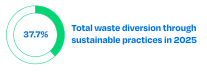
As we continue to advance Abu Dhabi's transition towards a circular and sustainable economy, we remain committed to driving responsible growth, strategic transformation, and long-term value creation aligned with national priorities. In 2025, we increased our overall waste diversion rate to 37.7%, reinforcing our progress towards a more circular and resource-efficient future through expanded waste-to-value solutions and enhanced operational performance.
About this Report
The 2025 Sustainability Report marks Tadweer Group's second consecutive year of sharing our sustainability performance, demonstrating our commitment to transparency and accountability in measuring, monitoring, and communicating our progress. This milestone reflects our continued journey towards integrating sustainability into our business operations, creating and delivering long-term value for our stakeholders, while protecting the environment.
The report covers Financial Year (FY) 2025 from 1 January to 31 December and provides an overview of our sustainability performance across Environmental, Social, and Governance (ESG) dimensions. All financial figures are reported in United Arab Emirates Dirham (AED).
Reporting Framework
This report has been developed in alignment with leading ESG frameworks, standards, and guidelines, with reference to the Global Reporting Initiative (GRI) 2021 Standards, widely adopted framework for sustainability reporting. It also aligns with key international and regional frameworks, including the United Nations Sustainable Development Goals (UN SDGs), United Nations Global Compact (UNGC), Abu Dhabi Securities Exchange (ADX) ESG Disclosure Guidelines 2025, Task Force on Climate-related Financial Disclosures (TCFD), and IFRS Sustainability Accounting Standards Board (SASB) Waste Management Standard.
Our Sustainability Report 2025 is designed to meet the diverse needs of stakeholders while maintaining a strong focus on double materiality. Greenhouse Gas (GHG) emissions are measured in accordance with the GHG Protocol Corporate Standard and ISO 14064-1:2018 - Greenhouse Gases, with relevant disclosures presented in line with applicable GRI Standards.
Reporting Boundary
Material Topics
Data Assurance and Validation
About Us
Tadweer Group at a Glance
Tadweer Group is an integrated waste and resource management company based in Abu Dhabi, playing a pivotal role in advancing the Emirate's transition towards a circular and resource-efficient economy. Through an integrated operating model, we deliver services across the waste value chain, including pre-collection, collection, treatment, recycling, recovery, and safe disposal. Our approach combines operational excellence, innovation, and strategic partnerships to maximise resource recovery and create long-term environmental, social, and economic value.
Geographic Footprint and Operational Reach
Headquartered in Abu Dhabi, Tadweer Group operates across the entire Emirate, serving urban, industrial, commercial, residential, and remote areas. Through strategic partnerships and investments, we also contribute to the UAE's broader circular economy ambitions and sustainable development goals.
Our Mandate and Strategic Role
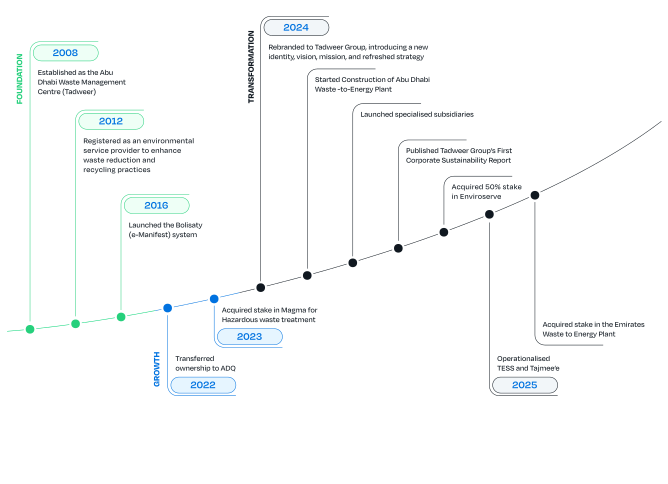
Established in 2008 as the Abu Dhabi Waste Management Centre and integrated into ADQ in 2022, Tadweer Group is mandated to develop and operate a modern, sustainable waste management system for Abu Dhabi. Through strategic oversight, infrastructure development, and end-to-end service delivery, we enable the transition towards a more circular economy and create sustainable value from waste.
We:
Develop integrated waste management strategies and long-term infrastructure plans
Oversee and coordinate waste services across the Emirate
Deliver end-to-end solutions across pre-collection, collection, treatment, recycling, recovery, and disposal
Enable circular economy initiatives that convert waste into resources
Promote innovation, investment, and strategic partnerships
Support Abu Dhabi's environmental and economic development priorities
Our Services
Our Transformation Towards Circularity
Tadweer Group's evolution reflects a fundamental shift from a linear economy to a circular economy.
Linear Model
Circular Economy Transition
Tadweer-Specific Enablers
Waste collection and disposal
Integrated resource and material flow management
Operationalisation of Tajmee'e for collection, Reverse Vending Machines (RVMs) to incentivise source segregation; expansion of Recycling and Material Collection Centres (RMCCs)
Landfill-dependent system
Diversion-led recovery and value extraction
Development of Waste-to-Energy (WtE) projects; scaling C&D waste recycling facilities; green waste composting; initiatives to increase overall diversion rates and reduce landfill reliance
Manual, labour-intensive operations
Intelligent, technology-enabled operations
Implementation of an integrated digital platform to enhance contract monitoring, improve compliance, and increase operational efficiency
Fragmented, service-based delivery
Integrated, end-to-end circular ecosystem
Integration of the full value chain, pre-collection, collection & transport, sorting, recycling, treatment, and safe disposal, centralised data systems, and ecosystem partnerships
Our Purpose, Vision, Mission, and Value Drivers
Purpose
To turn waste into value, building a cleaner future for our communities, economy, and generations to come.
Vision
Mission
Value Drivers
Our Journey
Stakeholders and Partnerships
Collaboration is central to our success. By working closely with stakeholders across the public, private, and community sectors, we drive innovation, strengthen operational performance, and advance circular economy outcomes across Abu Dhabi.
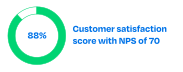
Overall satisfaction with NPS of 34
Partnership1
Nature of Collaboration and Contribution
Ministry of Climate Change and Environment (MOCCAE) - UAE Extended Producer Responsibility (EPR) Programme
To support the development of a national extended producer responsibility framework to enhance producer accountability and lifecycle waste management
BEEAH - Emirates Waste-to-Energy Project
Strengthening our role in large-scale waste-to-energy infrastructure through strategic investment
EchoTwin AI (Tajmee'e) - Smart Waste Monitoring Pilot
Piloting AI-enabled waste monitoring to enhance collection efficiency and service quality
Developing an AI-enabled integrated waste management platform to optimise operations and tracking
Higher Colleges of Technology (HCT) - Community Clean-up Initiative
Delivering community clean-up initiatives to promote environmental awareness
EcoRun - Community Partnership
Promoting sustainability awareness and healthy lifestyles through community engagement initiatives
ne'ma - National Food Loss and Waste Baseline Study
Contributing to the UAE's baseline study on food loss and waste through data and technical expertise
Partnership with the UAE Cyber Security Council
Strengthening cybersecurity resilience through awareness, collaboration, and capacity building
1Includes material topic: Partnerships & Collaborations
Major Awards and Recognitions
Tadweer Group continues to be recognised for our commitment to excellence, innovation, and sustainability across our operations. These achievements reflect our ongoing efforts to enhance performance, deliver high-quality services, and contribute positively to the communities we serve. Some of our notable recognitions in 2025 include:
GovMedia Award
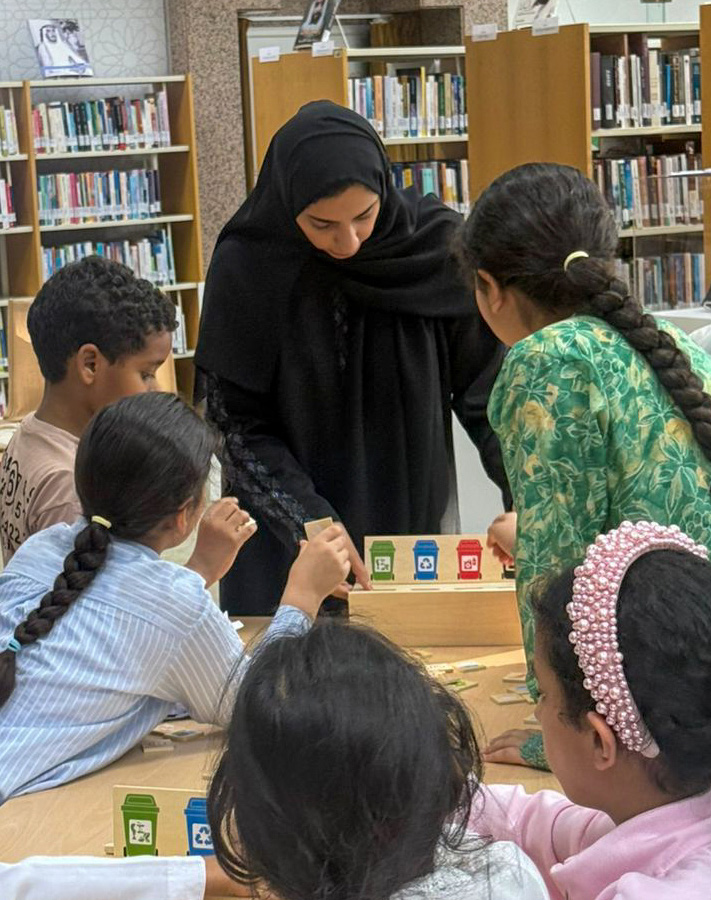
Tadweer Group was recognised at the GovMedia Awards for our nationwide schools’ campaign, “Our Role for a Sustainable UAE Future.” The initiative engaged more than 2,500 students across nine schools in all seven Emirates, promoting the principles of Reduce, Reuse, and Recycle (3Rs) through interactive workshops and activities.
Recognition by “Al Ain Municipality for Community Impact”
We were recognised as one of the top three external strategic partners at the Community Needs Ambassadors Ceremony, organised by Al Ain Municipality. The event brought together 94 attendees and achieved a 100% satisfaction rate, highlighting strong collaboration across 13 external entities and six internal departments to deliver meaningful community impact.
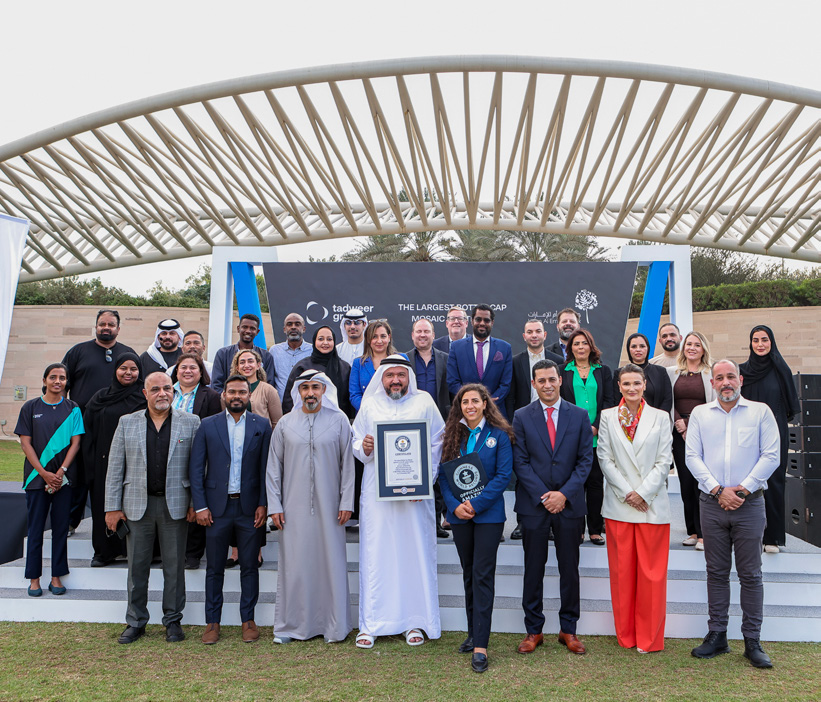
Guinness World Record for the Largest Recycled Materials Mosaic
Tadweer Group, in collaboration with Umm Al Emarat Park, was officially recognised by Guinness World Records for setting a new world record for the largest recycled materials mosaic. The award was achieved through the creation of a 25-square-metre artwork made from 24,846 recycled plastic bottle caps, with the participation of 356 community members over 18 hours.
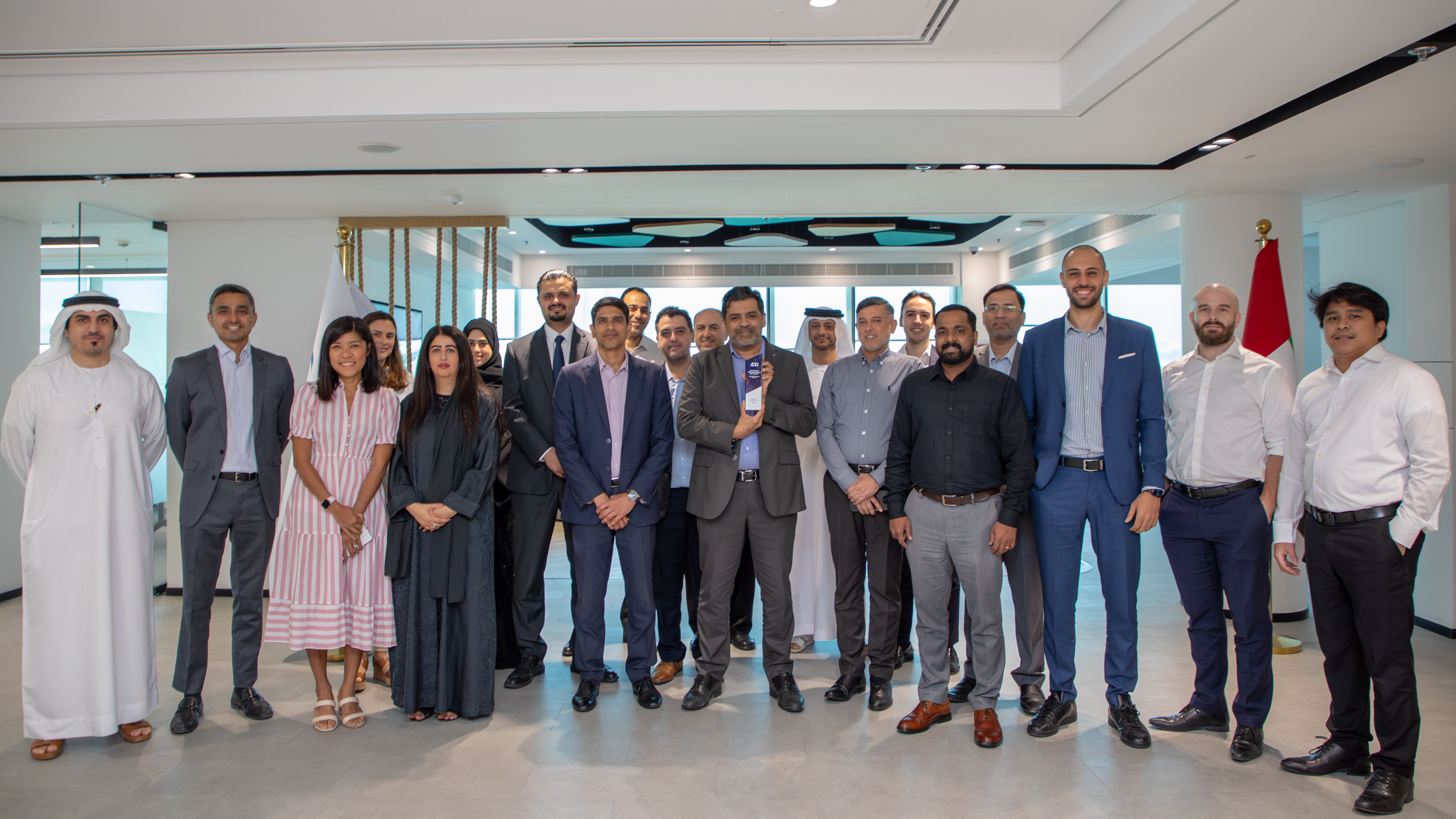
Recognition by ADQ for Excellence in Statutory Financial Reporting
Tadweer Group was recognised at the 2025 ADQ Finance Conference with the Excellence in Statutory Financial Reporting award. This recognition reflects the Group’s commitment to transparency, accuracy, and alignment with leading international reporting standards.
Case Management Performance Excellence Award – TAMM Government Shared Customer Relationship Management (CRM) System
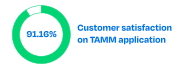
Tadweer Group was recognised as the top-performing entity in Abu Dhabi for excellence in case management performance on the Government Shared CRM System on TAMM during 2025. The Group achieved a performance score of 96.22% and a customer satisfaction rate of 91.16%, successfully processing over 62,600 requests.
Sustainability Highlights of 2025
0%
Total waste diverted through sustainable practices
0%
Increase in total waste collected
0%
Hazardous waste treated
0%
Non-hazardous waste treated
0%
Supplier satisfaction
Our Approach to Sustainability
Sustainability is embedded across our strategy, operations, and decision-making, guiding how we create long-term value for our stakeholders and contribute to Abu Dhabi’s sustainable development.
Aligned with the UAE Net Zero 2050 Strategy and UAE Green Agenda 2030, our approach focuses on:
Enhancing resource efficiency and circularity
Reducing environmental impact and emissions
Protecting ecosystems and natural resources
Creating social and economic value
Supporting healthier and more resilient communities
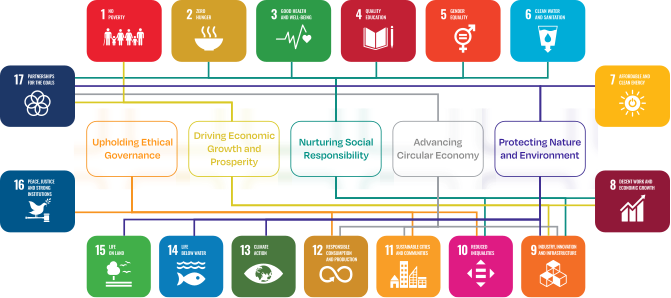
United Nations (UN) Sustainable Development Goals (SDGs) Alignment
Sustainability Governance, and Strategy Framework
Our sustainability approach is guided by a Sustainability Strategy Framework and Sustainability Policy that embed environmental stewardship, social responsibility, and ethical governance across our operations.
Sustainability Vision
Our vision is to be a purpose driven company, accelerate the world’s transition to zero waste to landfills through circular economy solutions for social well-being and environmental protection.
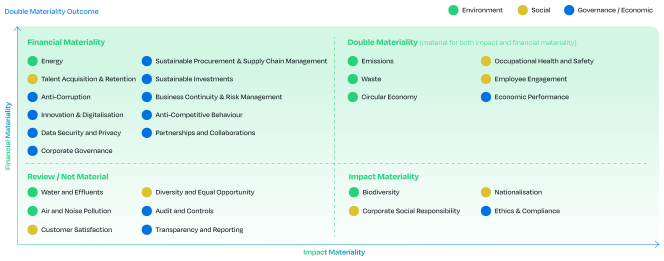
Double Materiality Assessment Validation
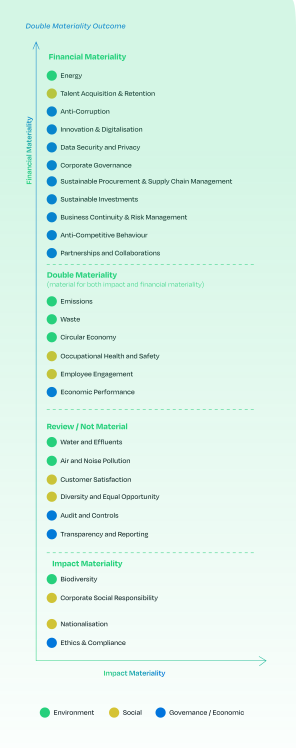
In 2025, we validated our 2024 Double Materiality Assessment to ensure our sustainability priorities remain aligned with evolving stakeholder expectations, industry developments, and business needs. The review confirmed the continued relevance of our 21 material ESG topics, which guide our sustainability strategy, decision-making, and reporting.
Advancing Circular Economy
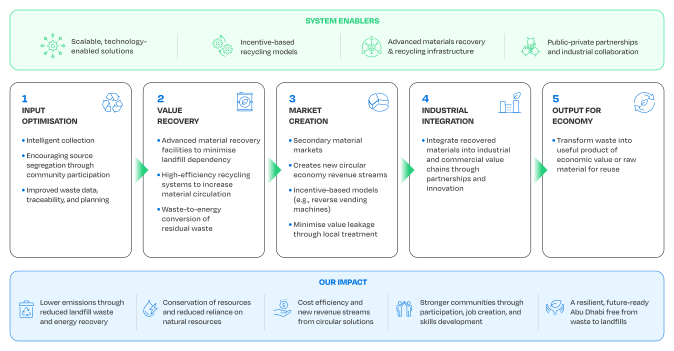
Tadweer Group is accelerating Abu Dhabi’s transition from traditional waste management to resource transformation. In 2025, we further strengthened our circular economy approach through the development of a dedicated Circular Economy Framework.
Sub-Pillars
Driving Circularity
Enabling Sustainable Supply Chains
Sustainable Development Goals
UNGC Principles
Environment:
Principle 7: Businesses should support a precautionary approach to environmental challenges
Principle 8: Undertake initiatives to promote greater environmental responsibility
Principle 9: Encourage the development and diffusion of environmentally friendly technologies
Highlights
Driving Circularity
We are advancing an integrated circular economy approach by embedding circularity across our strategy, operations, and decision-making, underpinned by targeted initiatives. We enhanced this approach by aligning with international standards, including ISO 59004:2024 on the Circular Economy. This section focuses on two key material topics:
01
Circular Economy
02
Waste
Circular Economy
Our circular economy approach focuses on transforming waste into a valuable resource by increasing recovery, enabling recycling, and creating new value streams across the waste management ecosystem.
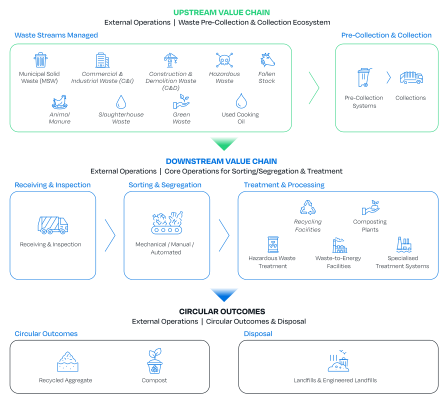
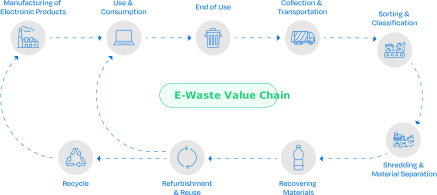
Managing the Waste Value Chain
Pre-collection & Collection
Source Segregation & Recovery
1,343 vehicles deployed for collection
31 RVMs deployed till 2025
~85,000 bins managed
47 RMCCs deployed till 2025
+306,000 inspections and observations recorded
285,260 kg of recyclable materials collected through RMCCs
We continued to advance circular economy awareness and industry collaboration through participation in sector-focused initiatives and knowledge-sharing platforms, including:
Participation in the inaugural Fashion Sustainability Taskforce convened by MAJRA to address textile waste and accelerate circularity in the fashion sector.
Participation in the World Utilities Congress, where Tadweer Group shared insights on transforming waste into value and the role of circular economy practices in advancing sustainability and decarbonisation.
Participation in the Green Peak Festival Abu Dhabi, showcasing Tadweer Group's circular economy ambitions and commitment to diverting over 80% of waste from landfill by 2031 through integrated waste management solutions.
Art for a Sustainable Community: Turning Waste into Wonder, encouraging participants to transform recycled materials into artworks, promoting reuse and circular thinking.
Waste
Our approach to waste management focuses on ensuring regulatory compliance, safe handling, and efficient processing across all waste streams. By strengthening segregation, recovery practices and improving treatment pathways, we aim to maximise resource recovery while reducing reliance on landfill.
Non-Hazardous Waste Types Treated
Unit
2023
2024
2025
Plastic Waste
(’000 tonnes)
214.77
12.09
14.08
Paper & Carton Waste
(’000 tonnes)
43.41
32.63
31.42
Metal Waste
(’000 tonnes)
23.89
24.68
22.95
Aluminium Waste
(’000 tonnes)
26.29
41.69
8.78
Wood Waste
(’000 tonnes)
1,264.95
19.96
22.74
C&D Waste
(’000 tonnes)
2,233.16
2,528.95
3,103.46
Green Waste
(’000 tonnes)
42.22
25.5
21.56
Animal Waste
(’000 tonnes)
26.6
16.15
10.56
Other
(’000 tonnes)
40.89
30.1
4.58
Total Non-Hazardous Waste Treated
(’000 tonnes)
3,916.17
2,731.74
3,240.13
3,240 thousand tonnes of non-hazardous waste recovered
Treatment Facility Type
2024
2025
Landfill
9
9
Incinerators (including Fallen Stock Waste)
4
4
Compost Plant
3
3
Crushers
2
2
E-Waste Plant
1
1
Tyre Recycling Plant
1
0
Transfer Station
1
1
Waste Stream
Existing Treatment Pathways
Municipal Solid Waste (MSW)
Pre-collection, collection, sorting, and treatment across facilities
Commercial and Industrial Waste
Managed through collection, segregation, and treatment systems (including Manifestation Framework)
Construction and Demolition Waste
Processed through dedicated crushers
Organic and Green Waste
Treated through composting facilities
Recyclable Materials (plastic, metal, paper)
Collected through RMCCs and RVMs
Hazardous Waste
Treated through specialised facilities (e.g., incineration and e-waste processing) and controlled processes
*No fines/non-compliance from waste management operational facilities, confirmed for 2025.
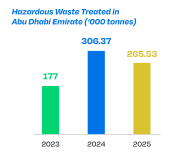
99.1% Hazardous waste diverted away from landfill
2023
2024
2025
Waste Management – Waste Type
Waste Collected (’000 tonnes)
Waste Treated (’000 tonnes)
Percentage Treatment (%)
Waste Collected (’000 tonnes)
Waste Treated (’000 tonnes)
Percentage Treatment (%)
Waste Collected (’000 tonnes)
Waste Treated (’000 tonnes)
Percentage Treatment (%)
Non-Hazardous Waste
9,999.56
3,916.17
39.16
8,556.24
2,731.74
31.92
9,032.36
3,240.13
35.87
MSW
1,703.21
48.78
2.86
1,562.61
52.83
3.38
1,660.86
62.35
3.75
Commercial and Industrial Waste (C&I)
3,781.15
1,565.40
41.40
1,697.84
108.32
6.38
1,642.14
42.20
2.57
C&D Waste
2,919.84
2,233.16
76.48
3,615.31
2,528.95
69.95
4,181.47
3,103.46
74.22
Agricultural Waste (Green Waste)
950.67
42.22
4.44
1,074.82
25.50
2.37
997.06
21.56
2.16
Animal Waste
547.92
26.60
4.86
503.37
16.15
3.21
456.43
10.56
2.31
Sludge Waste
96.78
-
0
102.28
-
0
94.40
-
0
Hazardous Waste
179.67
177
98.51
308.19
306.37
99.41
267.90
265.53
99.11
Total Waste
10,179.22
4,093.17
40.21
8,864.44
3,038.11
34.27
9,300.26
3,505.67
37.69
Waste Management – Hazardous and Non-Hazardous Waste
Unit
2023
2024
2025
Waste Collected
(’000 tonnes)
10,179.22
8,864.44
9,300.26
Hazardous Waste
(’000 tonnes)
179.67
308.19
267.90
Non-Hazardous Waste
(’000 tonnes)
9,999.56
8,556.24
9,032.36
Waste Diverted from Disposal
(’000 tonnes)
4,093.17
3,038.11
3,505.67
Hazardous Waste
(’000 tonnes)
177
306.37
265.53
Non-Hazardous Waste
(’000 tonnes)
3,916.17
2,731.74
3,240.13
Waste Directed to Disposal
(’000 tonnes)
6,086.05
5,826.33
5,794.59
Hazardous Waste
(’000 tonnes)
2.67
1.82
2.37
Non-Hazardous Waste
(’000 tonnes)
6,083.38
5,824.51
5,792.22
Hazardous Waste
(’000 tonnes)
179.67
308.19
267.90
Diverted from Disposal
(’000 tonnes)
177
306.37
265.53
Waste Directed to Disposal
(’000 tonnes)
2.67
1.82
2.37
Hazardous Waste Diverted from Landfill
(%)
99
99
99.1
Non-Hazardous Waste
(’000 tonnes)
9,999.56
8,556.24
9,032.36
Diverted from Disposal
(’000 tonnes)
3,916.17
2,731.74
3,240.13
Waste Directed to Disposal
(’000 tonnes)
6,083.38
5,824.51
5,792.22
Non-Hazardous Waste Diverted from Landfill
(%)
39
32
35.9
Waste Diverted (of Total Waste – Sustainably Treated)
(%)
40
34
37.7
Enabling Sustainable Supply Chains
We are strengthening a responsible and sustainable supply chain by embedding ethical, environmental, and operational standards across our supplier ecosystem, guided by the business partner code of business conduct, which defines clear expectations on compliance, integrity, labour practices, and environmental responsibility for all suppliers and service providers across the Tadweer Group.
This section focuses on the material topic:
1
Sustainable Procurement and Supply Chain Management
Sustainable Procurement and Supply Chain Management
Our approach is centred on strengthening governance, improving supplier engagement, and embedding sustainability considerations across procurement processes. Through structured frameworks and enhanced oversight, we aim to drive consistency, transparency, and performance across our supplier base.
Key developments in 2025:
Established a Supplier Relationship Management (SRM) function to strengthen supplier oversight and engagement.
Introduced a centralised digital onboarding process to support supplier screening, risk management, and compliance.
Implemented a supplier segmentation model to enable targeted engagement and oversight.
Strengthened due diligence processes and supply chain risk screening.
No incidents related to human rights violations, child labour, forced labour, or compulsory labour were identified within our supply chain.
Supplier Engagement
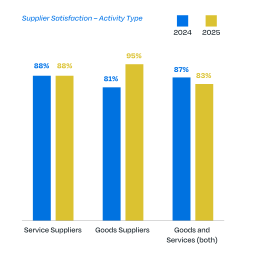
We continued to strengthen supplier relationships
through regular engagement and feedback mechanisms, helping improve service quality, communication, and supplier experience.
87%
Supplier satisfaction score
73
Net Promoter Score (NPS)
178
Suppliers participated in the satisfaction survey
Nurturing Social Responsibility
Nurturing social responsibility remains a core component of Tadweer Group’s approach to creating sustainable value for our workforce, communities, and wider stakeholders.
Sub-Pillars
Ensuring Employee Well-being
Empowering Communities
Sustainable Development Goals
UNGC Principles
Human Rights:
Principle 1: Businesses should support and respect the protection of internationally proclaimed human rights
Principle 2: Make sure that they are not complicit in human rights abuses
Labour:
Principle 4: The elimination of all forms of forced and compulsory labour
Principle 5: The effective abolition of child labour
Principle 6: The elimination of discrimination in respect of employment and occupation
Highlights
Ensuring Employee Well-being
We invest in our people by fostering a safe, inclusive, and supportive workplace while developing the skills and capabilities needed for a resilient and future-ready workforce.
This section focuses on four key material topics:
1
Talent Acquisition and Retention
2
Nationalisation
3
Employee Engagement
4
Occupational Health and Safety
Talent Acquisition and Retention
We continued to strengthen our ability to attract, develop, and retain talent by enhancing the employee experience, supporting career growth, and fostering a positive and inclusive workplace culture.
Enhancing the Employee Experience
Our approach focuses on creating a supportive environment where employees can grow, contribute, and thrive. Key initiatives included:
Enhanced the onboarding journey through structured pre-boarding, induction, and probation processes.
Strengthened employee benefits through the Total Rewards Policy and an expanded benefits offering.
Implemented a unified grading and compensation framework to promote fairness, transparency, and market alignment.
Conducted the annual salary review cycle, including merit increases and promotions.
Expanded flexible working arrangements to support employee well-being and work-life balance.
Employee Hire
Unit
2023
2024
2025
Total new employees hired
(#)
47
69
140
Breakdown by gender:
Male employees
(#)
34
44
110
Female employees
(#)
13
25
30
Breakdown by age-group:
Under 30 years old
(#)
8
18
30
30-50 years old
(#)
34
42
97
Over 50 years old
(#)
5
9
13
Breakdown by employment contract type:
Full-time employees
(#)
22
64
140
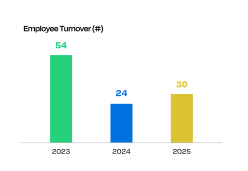
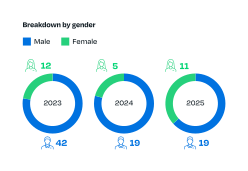
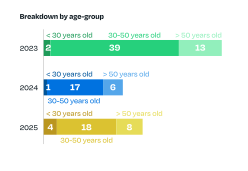
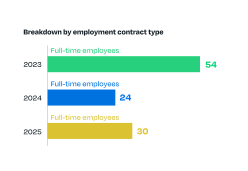
Employee Turnover
Employee retention remains a key priority, supported by initiatives focused on employee engagement, well-being, career development, and competitive rewards.
Diversity and Inclusion
We are committed to fostering a diverse, equitable, and inclusive workplace where employees are empowered to contribute, grow, and succeed. By promoting equal opportunities and an inclusive culture, we continue to strengthen our workforce and support sustainable organisational performance.
Gender Balance
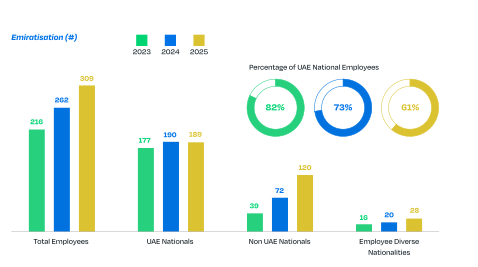
Workforce expanded to 309 employees in 2025.
Female representation increased by 16% compared to 2024.
Women represented 22% of middle management positions, up from 18% in 2024.
Average female-to-male compensation ratio stood at 1:1.06.
Tadweer Group Workforce
Unit
2023
2024
2025
Total Employees (includes Permanent employees and Seconded employees)
(#)
216
262
309
Breakdown by gender
Male employees
(#)
164
187
222
Female employees
(#)
52
75
87
Breakdown by employee category
Executive and senior management
(#)
15
16
15
Middle management
(#)
29
11
57
Staff (professional, operational, and administrative)
(#)
172
235
237
Breakdown by age-group
Under 30 years old
(#)
19
37
41
30-50 years old
(#)
165
197
239
Over 50 years old
(#)
32
29
29
Employees as per employment contract type
Full time employees
(#)
216
262
309
Male employees
(#)
164
187
222
Female employees
(#)
52
75
87
Temporary employees (through third parties, not directly employed by Tadweer Group)
(#)
122
181
96
Temporary male employees
(#)
95
149
91
Temporary female employees
(#)
27
32
5
Nationalisation
Developing national talent remains a key priority for Tadweer Group. We continue to support Emiratisation while fostering a diverse workforce that brings together a broad range of skills, perspectives, and experiences.
Market Presence
Unit
2023
2024
2025
Senior management hired from local community
(#)
3
5
5
Senior management who are UAE nationals
(#)
3
5
5
Senior management at significant locations of operation
(#)
3
5
5
Percentage of Senior management at significant locations who are UAE nationals / local hires
(%)
100
100
100
Employee Engagement
Learning and Development
We continue to invest in learning and development to strengthen employee capabilities, support career growth, and build a future-ready workforce.
619
Sessions
289
Participants
3,382
Training hours
91%
Satisfaction rate
Digital learning engagement remained strong, supported by employees completing over 650 courses, reflecting strong uptake of digital learning resources across the organisation.
97%
Active learner
200
Activated licenses
8+
Hours average learning per user
15,600+
Video completions
2025
Training and Education
Unit
2023
2024
Calendar2
LinkedIn
Total training hours
(Person hours)
1,492
4,083
3,382
1,789
Male employees – training hours
(Person hours)
831
2,627
2,172
1,310
Female employees – training hours
(Person hours)
661
1,456
1,210
479
Average training hours per employee per year
(Person hours)
6.91
15.47
11.7
8.11
Average training hours per male employee
(Person hours)
5.06
13.97
12.1
9.42
Average training hours per female employee
(Person hours)
12.71
19.16
11
7.85
Increase in person-hour training for employees
(%)
174
26.6
2Calendar training programmes refer to structured training sessions delivered as part of employees' development plans, including Training Needs Analysis (TNA)-based and publicly offered programmes.
Building Future-Ready Skills and Digital Capabilities
We continued to strengthen workforce capabilities through targeted learning and awareness initiatives focused on digital transformation, innovation, sustainability, and continuous professional development. Key initiatives included:
A masterclass on “The Future of AI: The Next Frontier in Waste Management”, exploring practical AI and GenAI applications in the sector.
A two-month LinkedIn Learning AI Challenge, with 43 employees participating to build knowledge of machine learning, neural networks, and natural language processing.
The launch of a Public Learning Calendar on Oracle LMS, offering structured training opportunities in areas including Power BI, Project Management, and Change Management.
Succession Planning
We strengthened leadership continuity by identifying and developing high-potential talent for future leadership roles.
Leadership and executive assessments
Individual development plans (IDPs)
Executive coaching and targeted feedback
Ongoing leadership development initiatives
Performance Management
We maintain a structured performance management and employee relations framework that supports employee development, accountability, and fair treatment across the organisation.
273 employees participated in the performance review process.
Speak Up and Investigation Procedure in place.
Confidential reporting channels available.
Structured grievance resolution processes.
Employee Relations
We continue to foster a respectful, inclusive, and supportive workplace through effective employee relations practices, workforce management tools, and clear grievance mechanisms.
Enhanced attendance and absence management through digital workforce dashboards.
Ongoing monitoring of workplace ethics, discrimination, harassment, and labour rights matters.
1 reported incident addressed in line with established grievance procedures.
Employee Engagement
We continued to strengthen employee engagement through well-being initiatives, and employee recognition programmes.
Key initiatives:
Relaunched the Lyra platform, providing expanded 24/7 well-being support in Arabic and English.
Recognised employee achievements through the Tadweer Group Excellence Awards.
Conducted the Employee Engagement Survey to better understand employee needs and identify opportunities for improvement.
Employee feedback mechanisms were also enhanced through the rollout of the Employee Engagement Survey.
All employees invited to participate
71% employee engagement score
89% survey completion rate
Created a Connected and Supportive Workplace
We continued to promote wellbeing, communication, and workplace culture through a range of employee-focused initiatives, including:
Financial Wellness Webinar, providing practical guidance on budgeting, savings, debt management, insurance, and retirement planning.
Internal Communications Pulse Survey with participation from 212 employees, gathering feedback on initiatives including Tajmee’e, the virtual Town Hall, Tadweer Hub activities, and volunteering programmes.
Tadweer Group Town Hall, attended by 222 employees, providing updates on the transformation journey, strategic priorities, and HR programmes.
Sustainable Habits Challenge, launched during Plastic Free July to encourage greener everyday practices through engagement activities and recognition of weekly winners.
From Plate to Planet Webinar, raising awareness on the link between nutrition, sustainability, and environmental impact.
Employee Shuttle Service between Tadweer Group HQ and Das Street Parking to support commute convenience and work-life balance.
Women’s Day Celebration, recognising the contributions of women across the organisation.
Ramadan Campaign- Naqa’a, engaging 100 participants through wellbeing and community-focused activities, including social media challenges, Suhoor gatherings, the Steppi challenge, and gratitude boards.
Occupational Health and Safety (OHS)
Protecting the health, safety, and well-being of our employees, contractors, and partners remains a core priority. Our Occupational Health and Safety Management System is aligned with the Abu Dhabi Occupational Safety and Health System Framework (ADOSH SF 4.0) and certified to ISO 45001:2018, supporting effective risk management, regulatory compliance, and a strong safety culture across our operations.
HSEMS Metric
Unit
2023
2024
2025
Employees & contractors covered by HSEMS
(#)
10,921
10,121
9,002
Employees covered
(#)
352
312
459
Contractors covered
(#)
10,569
9,809
8,543
Employees & contractors included in internal audit
(%)
100
100
100
Employees & contractors included in thirdparty/external audit
(%)
100
100
100
Employees and Contractors excluded from the disclosure
(#)
0
0
0
Employees excluded from disclosure
(#)
0
0
0
Contractors excluded from disclosure
(#)
0
0
0
Employee Health and Wellbeing Initiatives
We promoted employee health, wellbeing, and preventive care through targeted training and awareness, as well as screening initiatives, including:
Occupational Health Risk Assessment, conducted across Tadweer Group operations and associated service providers to assess exposure risks and strengthen preventive health measures.
Health Day @ Work, provided employees with complimentary health checks, vitamin and skin assessments, dental screenings, awareness sessions, and wellbeing giveaways.
Flu Vaccination Initiative, launched in collaboration with SEHA to provide employees with convenient access to free walk-in vaccinations.
Comprehensive Health and Eye Screening Initiative, delivered in collaboration with Medeor Hospital and Max Vision, offering professional health and eye examinations for employees.
Health and Awareness Webinars covered topics including emotional intelligence, vascular health, oral hygiene, holistic nutrition, and men’s health awareness.
Community Cardiopulmonary Resuscitation (CPR) & Automated External Defibrillator (AED) Training, equipped employees with practical emergency response skills.
Blood Donation Campaign, conducted in collaboration with SEHA, with participation from 45 employees, including members of the management team.
Enhancing Safety Systems and Risk Management
To further strengthen safety visibility and control across our operations, we advanced our digital HSE capabilities in 2025 through the rollout of an integrated system that enhances incident reporting, risk management, and performance monitoring.
Safety Culture and Awareness
We strengthened proactive safety culture across operations through targeted awareness, training, and engagement initiatives focused on behavioural safety, accountability, and risk prevention, including:
Behaviour-Based Safety (BBS) and TadweerSafe 2.0 Programmes, achieving 100% completion across employees and contractors while reinforcing accountability and safe workplace practices.
Safety Awareness Campaigns, covering topics including “Line of Fire”, stress management, and Life Saving Rules to strengthen risk awareness across operations.
Safety Culture Survey and Observation KPIs, supporting a more consistent and data-driven approach to safety performance monitoring.
Life Saving Rules Certification, implemented as a mandatory requirement to reinforce organisation-wide commitment to safety.
Road Safety Initiatives, including 100% completion of defensive driving training for Tadweer Group drivers and participation in Abu Dhabi Police’s “Accident-Free Day” initiative, contributing to a zero-violation ratio during the year.
Personal Protective Equipment (PPE) Campaign: Your Safety, Our Identity, launched under the TadweerSafe 2.0 programme to reinforce safety awareness and responsible workplace practices across operations.
Beat the Heat Campaign, implementing preventive measures to protect employees and contractors from summer heat risks, including suspension of outdoor work during peak hours, shaded and air-conditioned rest areas, and additional heat stress controls in line with Ministerial Resolution No. 44 of 2022.
Contractor Health and Safety
We maintained a unified approach to health and safety across our workforce, ensuring contractors are fully integrated into our HSE framework and participate in key safety programmes, audits, inspections, and performance monitoring activities.
Driving Performance
0.12
LTIFR
13
TRIR
OHSMS Performance
Unit
2023
2024
2025
Total hours worked
(Person hours)
27,628,315
27,599,738
24,821,083
Employee hours worked
(Person hours)
608,632
532,226
819,432
Contractor hours worked
(Person hours)
27,019,683
27,067,512
24,001,651
Total fatalities as a result of non-work-related injury
(#)
0
0
0
Total fatalities as a result of work-related injury
(#)
1
1
0
Employees fatalities
(#)
0
0
0
Contractor fatalities
(#)
1
1
0
Rate of Company Employees + Contractors
(Rate)
0.04
0.04
0
Total high consequence work-related injury (excluding fatalities)
(#)
6
4
3
Employees - high consequence work related injury
(#)
0
0
0
Contractor - high consequence work related injury
(#)
6
4
3
Rate of Company Employees + Contractors
(Rate)
0.22
0.14
0.12
Total recordable work-related injuries
(#)
1
3
6
Employees - recordable work-related injury
(#)
0
2
0
Contractor - recordable work-related injury
(#)
1
1
6
Rate of Company Employees + Contractors
(Rate)
0.04
0.10
0.24
Total fatalities as a result of work-related ill-health/ disease
(#)
0
0
0
Employees fatalities
(#)
0
0
0
Contractor fatalities
(#)
0
0
0
Total cases of recordable work-related ill health
(#)
0
0
0
Employees fatalities
(#)
0
0
0
Contractor fatalities
(#)
0
0
0
Lost Time Injury Frequency Rate (LTIFR)
(Rate)
0.14
0.12
Lost Time Injury Severity Rate (LTISR)
(Rate)
2.54
1.29
Total Recordable Case Frequency (TRCF)
(Rate)
0.47
0.52
Near Miss Frequency Rate (NMFR)
(Rate)
3.45
HSE KPI
Unit
2023
2024
2025
Achieving OHS management system index
(%)
80
92
80
Achieving Health & Safety Operational Plan
(%)
100
165
98.6
Closeout of internal audit findings
(%)
80
100
100
HSE compliance with ESG scoring
(%)
75
98
98
Ensuring completion of Tadweer Safe Programme
(%)
100
98
98.6
A Remarkable Safety Milestone- 10,000,000 Safe Man Hours Without Lost Time Injury
We achieved a major milestone in collaboration with our business partners, Tadweer Group Operation Service Providers, Enviroserve, and the Waste-to-Energy project team, reaching 10 million safe working man-hours over 143 days without a Lost Time Injury (LTI).
Empowering Communities
Engaging communities is integral to how we deliver our services and create long-term value. By working closely with residents, businesses, and institutions, we promote responsible waste practices, strengthen environmental awareness, and support sustained behavioural change across the communities we serve.
This section focuses on the material topic:
1
Corporate Social Responsibility
Corporate Social Responsibility / Community Engagement
Public Awareness and Community engagement are central to how we deliver waste management services across Abu Dhabi to promote responsible waste management practices to support real operational improvements and long-term behavioural change.
293
Events
109,722
Participants
421,179
Audiences
703
Volunteers
~374
Average participants per activity
Community Engagement and Awareness
We continued to strengthen community engagement through awareness campaigns, cultural initiatives, and public events that promoted sustainability, wellbeing, and national identity. Key initiatives included:
Hosting 15 Engineering Diploma students from the ADNOC Technical Academy for an e-waste awareness session focused on recycling technologies and circular economy solutions across the UAE.
Mussafah Industrial Area Awareness Campaign, engaging commercial and industrial stakeholders to improve waste management practices through on-site engagement and inspections.
Towards a Sustainable Majlis, bringing together families, youth, and community leaders through sustainability-focused dialogue sessions held in collaboration with community councils.
ADNOC Marathon participation, supporting health, wellbeing, and community engagement through inclusive race participation and an interactive awareness stand that engaged 729 visitors.
National Celebrations, including UAE National Day and Flag Day activities that brought together employees, families, schools, and volunteers to promote national pride, heritage, and sustainability awareness.
Customer Relationship and Service Excellence
Customer Satisfaction
Unit
2023
2024
2025
Customer Satisfaction (%)
(%)
80
83.19
91.16
Customer Complaints
Total complaints received
(#)
1,680
1,067
1,294
Total complaints resolved in designated time
(#)
1,532
1,056
1,294
Total enquiries or change requests received
(#)
6,000
6,400
13,107
Total enquiries or change requests resolved/ closed
(#)
6,000
6,400
13,107
Service Closure Time
(mins)
2,400
1,440
1,440
Protecting Nature and Environment
Environmental stewardship is central to our role in supporting Abu Dhabi’s transition to a circular and climate-resilient economy. We manage environmental impacts across the waste value chain, addressing land use, emissions, water consumption, waste handling, and potential effects on air, soil, water, and ecosystems.
Sub-Pillars
Mitigating Climate Change Impact
Preserving Nature
Sustainable Development Goals
UNGC Principles
Environment:
Principle 7: Businesses should support a precautionary approach to environmental challenges
Principle 8: Undertake initiatives to promote greater environmental responsibility
Principle 9: Encourage the development and diffusion of environmentally friendly technologies
Highlights
Mitigating Climate Change Impact
Climate change presents both risks and opportunities for Tadweer Group. Our approach focuses on managing climate-related risks, reducing greenhouse gas emissions, improving energy efficiency, and strengthening operational resilience.
This section focuses on two key material topics:
1
Energy
2
Emissions
Energy
We manage energy performance through our ISO 50001-certified Energy Management System and Energy and Water Efficiency Policy, driving continuous improvements in operational efficiency and resource use.
Key initiatives:
Optimised system performance through preventive maintenance programmes.
Enhanced energy monitoring and control through upgrades to electrical and metering infrastructure.
Implemented operational improvements to support more efficient energy use.
Energy Consumption – Tadweer Group
Unit
2023
2024
2025
Energy Consumption - Non-Renewable Fuel Sources (A)
(GJ)
264,799.11
256,306.76
259,114.27
Fuel consumption
(kilolitres)
6,915.62
6,693.83
7,200.53
Indirect Energy Consumption (B)
(GJ)
15,897.05
7,677.43
10,757
Electricity consumption
(MWh)
4,415.85
2,132.62
2,987.98
Total Energy Consumption within Tadweer Group (C = A + B)
(GJ)
280,696.16
263,984.19
269,871.27
Energy Consumption – Tadweer Group Supply Chain
Unit
2024
2025
Energy Consumption Outside Tadweer Group - Upstream and Downstream
Water stewardship is an important part of our resource efficiency approach. We focus on improving water efficiency across our facilities and operations while supporting the responsible use of water resources.
Our approach is guided by an ISO 46001-certified Water Efficiency Management System, which supports continuous improvement through monitoring, audits, leak detection, conservation initiatives, and the identification of water reuse opportunities.
Emissions
10 categories of Scope 3 carbon emissions calculated in 2025
GHG Emissions – Tadweer Group
Unit
2023
2024
2025
Scope 1 Emissions (A)
(tCO₂e)
2,381,715
2,567,937
2,492,242
Stationary Combustion
(tCO₂e)
2,951
1,999
2,151
Mobile Combustion
(tCO₂e)
15,402
15,706
16,924
Fugitive Emissions from Refrigerants and Air Conditioning
(tCO₂e)
172
131
42
Fire Suppression
(tCO₂e)
-
-
-
Purchased Gases
(tCO₂e)
-
-
-
Processed/Other Emission Sources (Managing Waste)
(tCO₂e)
2,363,190
2,550,101
2,473,125
Scope 2 Emissions (B)
(tCO₂e)
1,009
484
726
Purchased electricity
(tCO₂e)
1,009
484
726
Scope 3 Emissions (C)3
(tCO₂e)
-
258,332.20
332,728.11
Category 1 – Purchased Goods and Services
(tCO₂e)
-
118,105.74
151,961.73
Category 2 – Capital Goods
(tCO₂e)
-
2,406.73
10,329.74
Category 3 – Fuel and Energy Related Activities*
(tCO₂e)
-
5,241.09
5,285.70
Category 4 and 9 – Transport and Distribution
(tCO₂e)
-
71,062.28
87,199.60
Category 6 – Business Travel
(tCO₂e)
-
31.35
139.57
Category 7 – Employee Commuting
(tCO₂e)
-
750.29
751.66
Category 8 – Upstream Leased Assets
(tCO₂e)
-
9.63
10.70
Category 10 – Processing of Sold Products
(tCO₂e)
-
5,848.27
6,973.38
Category 13 – Downstream Leased Assets
(tCO₂e)
-
9,356.55
5,708.37
Category 15 – Investments
(tCO₂e)
-
45,520.274
64,367.66
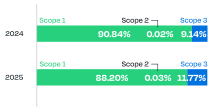
Total Emissions (A+B+C)
(tCO₂e)
2,382,724
2,826,753.20
2,825,696.11
3Scope 3 emissions were not measured in 2023. Measurement and disclosure commenced in 2024.
4Following a review of methodology and assumptions, Scope 3 Category 15 emissions for 2024 have been restated from 114,913.25 tCO₂e to 45,520.27 tCO₂e, reflecting accuracy, consistency, and comparability of emissions data across reporting periods.
*Calculated values may vary slightly between 2024 and 2025 as a result of updates and refinements to the calculation approach.
Percentage of Scope 1, 2 and 3 Emissions out of Total Emissions
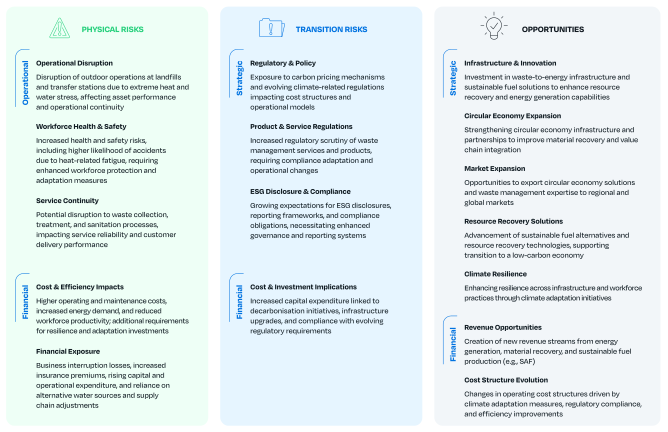
Climate Risk Assessment
In 2025, we conducted our first climate risk assessment aligned with the recommendations of the TCFD to strengthen our understanding of climate-related risks and opportunities and their potential impacts on our operations, strategy, and long-term resilience.
Governance
Climate-related risks and opportunities are integrated into Tadweer Group’s governance and ERM framework, supporting informed decision-making and long-term resilience.
Governance Level
Roles and Responsibilities
Board of Directors & Committees
Provide oversight of climate-related risks and opportunities for business resilience, aligned with business strategy, capital allocation, and long-term sustainable value creation
Management
Guides on climate-related priorities and integrates climate considerations into operational and strategic decision-making
Sustainability / ESG Function
Supports in identifying and assessing climate-related risks and opportunities. Supports Implementation, monitoring, reporting, and alignment with governance oversight. Reports on climate-related matters to the Board of Directors & Committees, and Management
Business Continuity Management
Supports in the mitigation of any climate-related incidents
Enterprise Risk Management
Supports integration of climate-related risks into the risk management framework
Strategy
Climate considerations are embedded within our Corporate Sustainability Strategy and Sustainability Policy, supporting our approach to climate action, resource efficiency, emissions management, and environmental stewardship.
Assessment scope:
Current-state maturity assessment
Peer benchmarking
Climate scenario analysis
Physical and transition risk assessment
Opportunity identification across the value chain
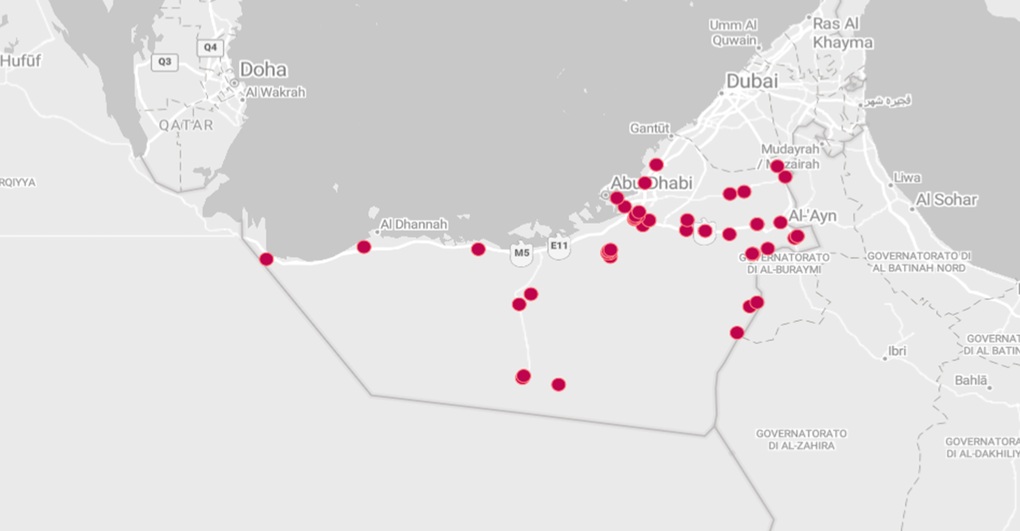
Site Type
Number of Sites
Waste Treatment
13
Transfer Station/Spot
5
Landfill
9
Labour Accommodation
16
Offices
7
Shop
3
The assessment covered 100% of operational sites across Tadweer Group.
Climate Scenario Analysis
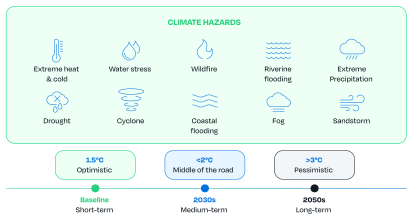
We applied a scenario-based approach using NGFS and IPCC climate projections to assess physical and transition risks across multiple pathways and time horizons.
Assessment areas:
Physical climate risks
Transition risks
Climate-related opportunities
Risk Management
Climate-related risks are assessed and prioritised based on their likelihood, potential impact, time horizon, and scenario- based exposure. Identified risks are integrated into Tadweer Group’s broader ERM framework and managed through appropriate mitigation and adaptation measures.
Climate-Related Risks and Opportunities and Financial Implications
The assessment identified a range of physical and transition risks, as well as strategic opportunities, that may affect our operations and business model across the short, medium, and long term.
Preserving Nature
We manage environmental impacts across our operations in alignment with EAD requirements, supported by an ISO 14001-aligned Environmental Management System.
This section focuses on the material topic:
1
Biodiversity
We monitor environmental performance across our facilities, including landfills, transfer stations, and treatment facilities, to manage potential impacts on air, land, water, and ecosystems.
NOx emissions decreased by 23.1%
SOx emissions more than doubled
Ozone emissions decreased by 45.1%
Total suspended particles increased by 2.2%
Air emissions
Unit
2024
2025
Nitrogen Oxides (NOx) emissions
(tonnes)
33.7
25.9
Sulphur Oxides (SOx) emissions
(tonnes)
15.54
32.5
Ozone emissions
(tonnes)
16.77
9.2
Total suspended particles emissions
(tonnes)
98.8
101
Biodiversity
We integrate biodiversity considerations into project planning, site development, and operational activities to minimise impacts on natural habitats and ecosystems. Through responsible waste management and environmental stewardship, we support the protection and resilience of terrestrial, coastal, and marine environments.
Biodiversity considerations incorporated into project planning and operational activities.
Ongoing monitoring supports compliance with environmental requirements.
No IUCN Red List species were identified across operational sites in 2025.
Environmental Awareness and Conservation
We continued to foster environmental awareness, biodiversity protection, and sustainable behaviours through employee engagement, conservation activities, and awareness campaigns, including:
Environmental Campaigns engaging employees and partners through photography competitions, spill kit demonstrations, clean-up drives, toolbox talks, and awareness activities.
“Train the Trainer” Sessions on Prevention of Pollution (PoP) and site inspections to strengthen pollution prevention awareness and operational environmental practices.
Nature Photography Contest, launched for Tadweer employees and Environmental Service Providers (ESPs) under the theme “Nature’s Resilience: Adapting to a Changing World”, encouraging environmental storytelling and sustainability awareness.
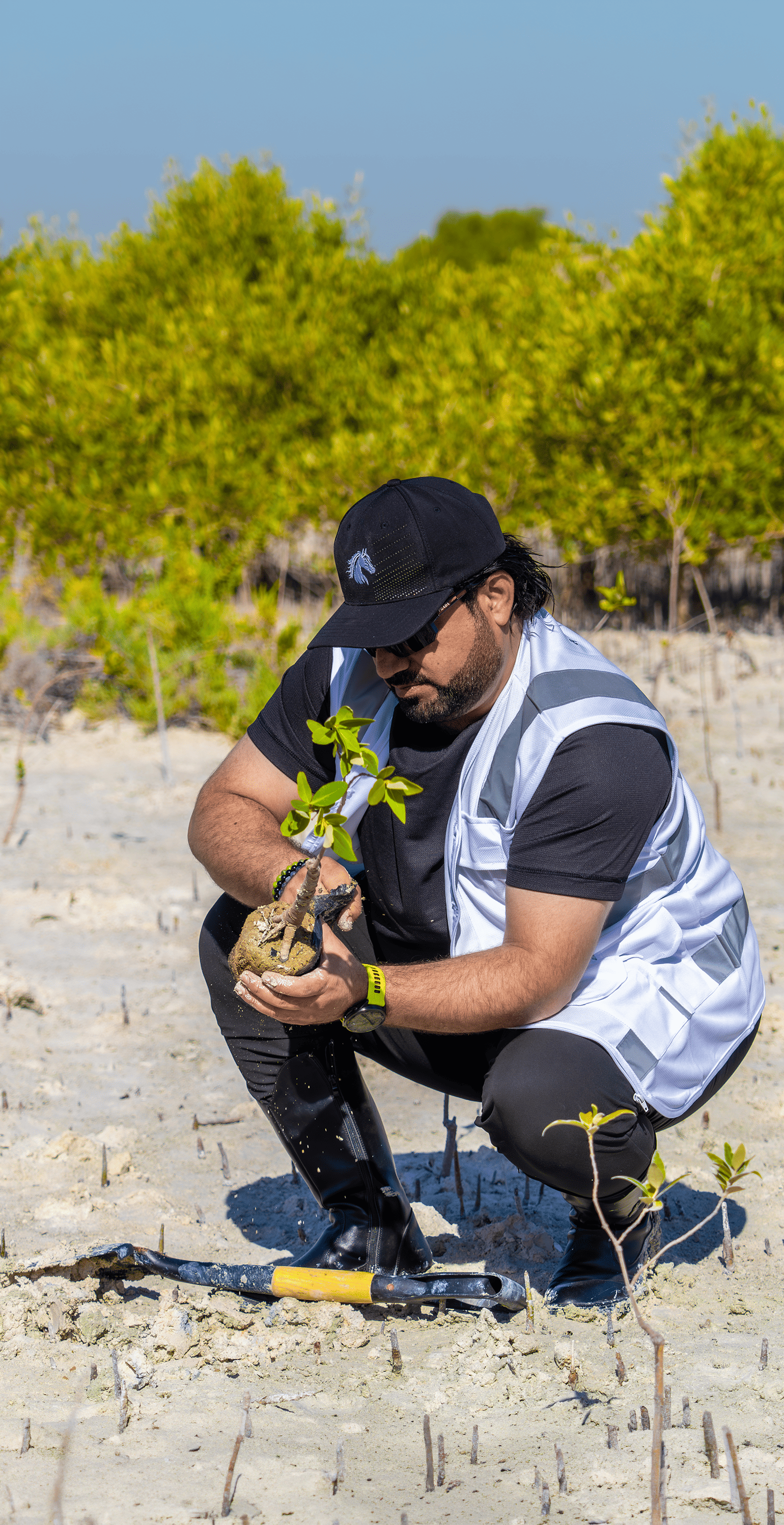
World Environment Day Activities, delivered in collaboration with EAD, including succulent distribution and mangrove clean-up activities to promote environmental responsibility and sustainable living.
Marine Turtle Conservation Support, through participation in the Marine Turtle Festival with EAD, including awareness activities and the release of rehabilitated sea turtles into their natural habitat.
Clean-Up Campaign 2025 – Together for a Greener Future, engaging students, families, environmental advocates, and more than 160 volunteers through school activities and public clean-up events across Abu Dhabi and Al Ain.
Upholding Ethical Governance
We are committed to upholding the highest standards of integrity, accountability, and transparency, reinforced through well-defined governance structures, ethical business conduct, and strong risk management frameworks.
Sub-Pillars
Ensuring Robust Governance
Safeguarding Data
Sustainable Development Goals
UNGC Principles
Anti-Corruption:
Principle 10: Businesses should work against corruption in all its forms, including extortion and bribery
Highlights
Ensuring Robust Governance
We champion strong governance and professional conduct as the foundation for creating and delivering enduring value to our stakeholders and contributing positively to the wider community. Guided by our vision, mission, and values, we advance governance excellence in how we operate and transparently report on our performance.
This section focuses on five key material topics:
01
Corporate Governance
02
Ethics and Compliance
03
Anti-Corruption
04
Anti-Competitive Behaviour
05
Business Continuity and Risk Management
Corporate Governance
Foundational Governance Documents
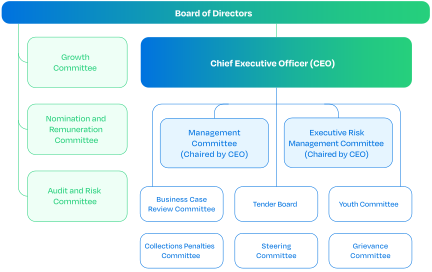
Articles of Tadweer Group (including procedures and controls)
Corporate Policies and Procedures
Policies
Grievance Policy
Delegation of Authority Policy
Committee Charters
Audit and Risk Committee (ARC) Charter
Nomination and Remuneration Committee (NRC) Charter
Growth Committee (GC) Charter
Management Committee Charter
Executive Risk Management Committee Charter
Business Case Review Committee Charter
Tender Board Committee Charter
Youth Committee Charter
Collections Penalties Committee Charter
Steering Committee Charter
Governance Structure
Unit
2023
2024
2025
Total Board members
(#)
4
4
4
Total independent members5
(#)
1
1
1
Total non-independent members
(#)
3
3
3
Total executive members6
(#)
1
1
1
Total non-executive members7
(#)
3
3
3
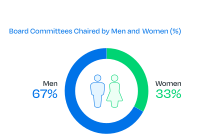
Total Board seats occupied by men
(#)
3
3
3
Total Board seats occupied by women
(#)
1
1
1
Total Board Committees
(#)
3
3
3
5A member of the Board that has no relationship with the Company, nor any members of Executive Management nor its auditor, parent company, subsidiaries, sister company, or affiliate company in a manner that may lead to financial or moral benefit that may affect its decisions.
6A member of the Board who is a full-time member of the Executive Management team of the Company and participates in its daily activities.
7A member of the Board who does not hold any executive or operational position within the Company and does not receive a monthly or annual salary from the Company.
Ethics and Compliance, Anti-Corruption and Anti-Competitive Behaviour
Upholding the highest standards of integrity, accountability, and responsible business conduct remains a core priority for Tadweer Group. Our compliance framework is aligned with ISO 37301:2021 Compliance Management Systems and ISO 37001:2016 Anti-Bribery Management Systems, enabling a risk-based approach to managing compliance, ethics, and anti-corruption risks across the organisation.
The Code of Business Conduct defines the principles and expectations that guide employee behaviour and decision-making. Through regular training and awareness programmes, we promote a culture of integrity, accountability, and ethical conduct across our operations.
97.5% of employees completed Code of Conduct training
Zero reported cases of corruption or anti-competitive behaviour
Unit
2023
2024
2025
Operations assessed for risks related to corruption
(%)
100
100
100
Communication and training on anti-corruption policies and procedures
Governance Body members communicated and trained
(%)
100
100
100
Employees communicated and trained
(%)
51
96
97.5
Confirmed incidents of corruption and actions taken
Confirmed incidents of corruption
(#)
2
2
0
Incidents of employees dismissed or disciplined
(#)
2
2
0
Risk Management and Business Continuity
Risk Management
Tadweer Group maintains an Enterprise Risk Management (ERM) framework to identify, assess, monitor, and mitigate risks across the organisation. The framework is aligned with ADQ Risk Management Guidelines, ISO 31000:2018, and COSO principles, supporting informed decision-making and organisational resilience.
Business Continuity Management
Unit
2023
2024
2025
No. of major Business Continuity related risks identified
(#)
20
20
31
No. of non-compliance observed
(#)
-
-
-
No. of corrective actions implemented
(#)
-
3
33
Incidents of control lapse
(#)
-
-
-
Compliance with ISO 22301:2019 Business Continuity Management Systems
(%)
100
100
100
Number of business disruption events observed
(#)
1
1
0
Technical failure
(#)
-
-
-
Programming error
(#)
-
-
-
Cyberattacks
(#)
-
-
-
Weather events, natural disaster
(#)
1
1
1
Any Other
(#)
-
-
-
Internal Audit
Tadweer Group's Internal Audit function provides independent, risk-based assurance to strengthen governance, risk management, and internal controls. The function supports effective decision-making, promotes accountability, and enhances organisational performance through a structured and risk-based audit approach.
ESG-related risks and controls are integrated into audit planning and execution to strengthen oversight of sustainability and governance practices.
We recognise that protecting data and information is fundamental to maintaining trust and ensuring the secure delivery of our operations. Our approach focuses on strengthening data governance, cybersecurity, and privacy practices to safeguard sensitive information and support resilient, digitally enabled operations.
This section focuses on the material topic:
01
Data Security and Privacy
Data Security and Privacy
Tadweer Group maintains an Information Security Management System (ISMS) aligned with ISO/IEC 27001:2022, supported by policies and controls that safeguard the confidentiality, integrity, and availability of information and ensure compliance with applicable regulatory requirements.
Unit
2023
2024
2025
Total data breaches during the reporting period
(#)
0
0
0
Data breaches involving customers confidential business information
(#)
0
0
0
Data breaches personal/individual
(#)
0
0
0
Zero data breaches recorded in 2025
Driving Economic Growth and Prosperity
We drive economic growth by advancing circular solutions and creating value from resources. Our approach supports operational efficiency, enables sustainable infrastructure development, and contributes to economic diversification in the UAE.
Sub-Pillars
Driving Economic Growth and Prosperity
Fostering Innovation
Sustainable Development Goals
Highlights
Driving Economic Growth and Prosperity
We create long-term value through responsible financial management, disciplined investment, and strong governance. By enhancing operational efficiency and supporting circular economy initiatives, we contribute to economic growth while delivering sustainable outcomes.
This section focuses on two material priorities:
01
Economic Performance
02
Sustainable Investments
Economic Performance
Our financial governance framework, aligned with IFRS and UAE regulatory requirements, supports transparency, accountability, and effective decision-making. Through disciplined financial management, we continue to strengthen operational efficiency and long-term value creation.
Sustainable Investment
Guided by our Green Finance Framework, we direct capital towards initiatives that generate both financial and environmental value. Strategic investments, including the Sharjah Waste-to-Energy project, support waste diversion, renewable energy generation, emissions reduction, and circular economy outcomes.
ICV Value Creation
Through the UAE's National In-Country Value (ICV) programme, we support local economic growth by strengthening local supply chains, increasing supplier participation, and creating long-term socio-economic value.
Unit
2023
2024
2025
Local suppliers engaged
(#)
142
250
358
Procurement Spending on Local Suppliers
(%)
99.63
99.73
96.1
358 local suppliers engaged
96.1% procurement spend on local suppliers
Tax Transparency
We introduced a formal Tax Policy that strengthens regulatory compliance, ensures accurate and auditable tax disclosures, and embeds clear oversight and accountability under the Finance Department.
100% of tax calculations and disclosures are independently verified and audited annually
Fostering Innovation
Innovation is a key enabler of Tadweer Group's circular economy strategy, supporting operational efficiency, data-driven decision-making, and sustainable value creation across the waste and resource management value chain.
This section focuses on two material topics:
01
Innovation
02
Digitalisation
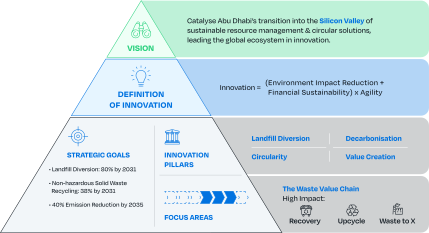
Innovation
In 2025, we formalised our Innovation Strategy to accelerate sustainable resource management and circular economy solutions. The strategy focuses on creating environmental and economic value through innovation, technology, and agility. Our innovation agenda focuses on two key levers:
We accelerated our digital transformation journey through AI-enabled solutions, advanced analytics, and customer-centric technologies to enhance operational efficiency, service delivery, and decision-making.
Tadweer Group Hub – AI-powered platform supporting contract compliance, performance monitoring, and data-driven decision-making.
Advanced AI and analytics – Expanded data and analytics capabilities to improve reporting accuracy and support data-driven decision-making.
WhatsApp chatbot – Enhanced customer engagement through a 24/7 digital service channel providing convenient access to Tadweer Group services.
Digitised Financial and Enterprise Systems – Strengthened financial and operational management through enhanced ERP, EPM, and treasury management systems.










.svg)